If there’s one exercise that deserves a place in everyone’s fitness routine, it’s the squat. Often called the “king of exercises,” squats are a fundamental movement pattern that we use in everyday life such as picking something up or simply getting out of bed in the morning.
What Are the Benefits of the Squat?
The beauty of squats lies in their simplicity and effectiveness:
- Strengthens multiple muscle groups at once – Squats work your legs, glutes, core, and back all in one movement, making them one of the most efficient exercises you can do.
- Improves everyday functionality – Regular squatting makes daily activities like climbing stairs, getting up from chairs, and lifting objects much easier and safer.
- Supports bone and joint health – Weight-bearing exercises like squats help maintain bone density and strengthen the muscles around your joints, which is particularly beneficial as we age.
- Boosts metabolism and burns calories – Because squats engage large muscle groups, they’re brilliant for increasing your metabolic rate and supporting weight management goals.
- Enhances balance and mobility – Practising squats regularly improves your stability, flexibility, and range of motion, helping to prevent falls and maintain independence.
At Beckwith, we see people of all ages and abilities discovering the transformative power of squats. So, let’s explore three popular squat variations that can help you build strength safely and effectively.
Bodyweight Squats
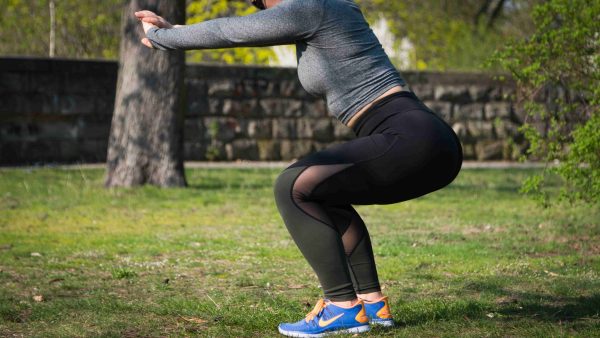
A bodyweight squat is the perfect starting point for anyone new to exercise or those focusing on mastering proper form. This variation requires no equipment whatsoever—just you and a bit of space—making it accessible to everyone.
- What it focuses on: Bodyweight squats develop fundamental movement patterns, strengthen your quadriceps, glutes, and hamstrings, and improve your mobility and balance. They’re also brilliant for building confidence in your body’s capabilities.
- Who it’s for: Beginners, older adults, anyone recovering from injury, or those perfecting their technique before adding weight.
- Quick tips on Form: Stand with your feet shoulder-width apart, toes pointing slightly outward. Keep your chest lifted and core engaged as you lower yourself down as if sitting into a chair behind you. Aim to bring your thighs parallel to the floor whilst keeping your knees tracking over your toes. Push through your heels to return to standing. Remember, it’s perfectly fine to squat to whatever depth feels comfortable—progress comes with practice!
Goblet Squats
Once you’ve built confidence with bodyweight squats, goblet squats are a good next step. By holding a weight (typically a dumbbell or kettlebell) at chest height, you add resistance whilst the weight’s position actually helps you maintain good posture throughout the movement.
- What it focuses on: This variation increases lower body strength whilst engaging your core and upper back. The front-loaded weight encourages proper squat mechanics and helps you sit back into the movement.
- Who it’s for: Those ready to progress beyond bodyweight squats, people wanting to build strength safely, and anyone looking to improve their squat depth and form.
- Quick tips on Form: Hold your weight close to your chest with both hands, elbows pointing down. Keep your torso upright as you squat—the weight naturally encourages this. Focus on pushing your knees outward slightly as you descend, and don’t rush the movement. Quality always trumps speed!

Back Squats
The back squat is perhaps the most well-known variation and allows you to lift heavier weights as your strength develops. Using a barbell positioned across your upper back, this variation is excellent for building serious lower body strength.
- What it focuses on: Maximum strength development in the legs, glutes, and core. It’s also fantastic for building bone density and overall athletic performance.
- Who it’s for: Those with good squat fundamentals, or individuals working with a trainer, and anyone ready for progressive strength training.
- Quick tips on Form: Position the bar comfortably on your upper back (not your neck). Maintain a neutral spine throughout the movement, keeping your gaze forward. Descend with control, breaking at the hips and knees simultaneously. Start with lighter weights (or just the bar itself) to perfect your form—there’s absolutely no rush to pile on the plates!
Ready to Start Your Squats Journey?
Remember, everyone in the gym started somewhere, and there’s no “right” pace for progress. Whether you’re perfecting your bodyweight squat or working towards more challenging variations, what matters most is consistency and proper form.
You can also now regularly check and improve your squat form using EGYM’s new squat flexibility test! In under 30 seconds and in a single movement, the 3D camera detects limitations and potential, instantly integrating the results into EGYM BioAge and Genius. EGYM is included in your Beckwith Gym membership.
If you need help getting started, why not get in touch with one of our team as well as our friendly personal trainers? All our fitness instructors and personal trainers are fully qualified to give you the best advice and gym instruction.